
Calculating Cost
Reflections on the place I inherited

The One Big Beautiful Bill ensures the ultra-wealthy get a tax break while those on Medicare and Medicaid pay more for their healthcare than ever before.
Approximately 40% of people in the United States will get cancer at some point in their lifetime.
In Iowa, approximately 44% of people will.
21,200 Iowans were diagnosed with cancer in 2025. Almost 6,000 have either breast or prostate cancer and 2,560 have it in their lungs. Iowans will spend millions of dollars this year paying hospital bills and insurance bills and bills for in-home care and bills and bills and bills for a disease so sinister many experts rightly claim there is no singular cause.
In his 1968 essay “A Native Hill,” Wendell Berry reflects on the idea that much of what we know about a place is inherited. “What I am has been to a considerable extent determined by what my forebears were, by how they chose to treat this place while they lived in it; the lives of most of them diminished it, and limited its possibilities, and narrowed its future,” he writes.
I was born inside an Iowa public hospital twenty-six years ago today, into a state with 14.6 million hogs and not-quite 3 million people. I grew up watching the human population grow ever-so-slightly and the hog population balloon by 10 million. I grew up learning about nature on 485-acres just outside of town saved for showing kids what Iowa once looked like.
The principle of Occam’s Razor states that sometimes the most obvious explanation is the correct one. If applied to Iowa and cancer, it’s possible that one of the contributing causes of cancer is, in-fact, the industry which takes up the majority of the land and is one of the primary polluters of air and water.1
It is possible that carcinogens cause cancer.
It’s no secret that agricultural output is a major driver for Iowa’s economy, and it’s also no secret that the money acquired through large-scale agribusiness is not equally distributed amongst the working class. The financial burden of the negative externalities is one of the most broadly-felt impacts of the industry, not to mention the water pollution or air pollution or consolidation of industry that has left so many hung out to dry.
I previously reported on the cancer issue in March, and quoted Dr. Richard Deming, director of the MercyOne Cancer Research Center in Des Moines. He asked the existential question that increasingly more and more Iowans are asking themselves upon diagnosis, or even beforehand, knowing that the chances of it happening to them one day are higher than their counterparts in most other states.
“How do you find joy in life knowing that it’s going to end from cancer?”
What is the cost of cancer? What is the cost of hours spent wondering, am I next?
Edited by Ethan Seylar.
Some people have insisted that glyphosate, the herbicide sprayed on Iowa crops and the active ingredient behind RoundUp, is scientifically proven to not cause cancer, despite the fact that that science was written by Monsanto employees. As of a few weeks ago that science was retracted. Author’s note: Historian of Science Naomi Oreskes, who, along with her post-doctoral fellow Alexander Kaurov, called for the retraction of the Monsanto-funded glyphosate paper, was my undergraduate thesis advisor and employer.
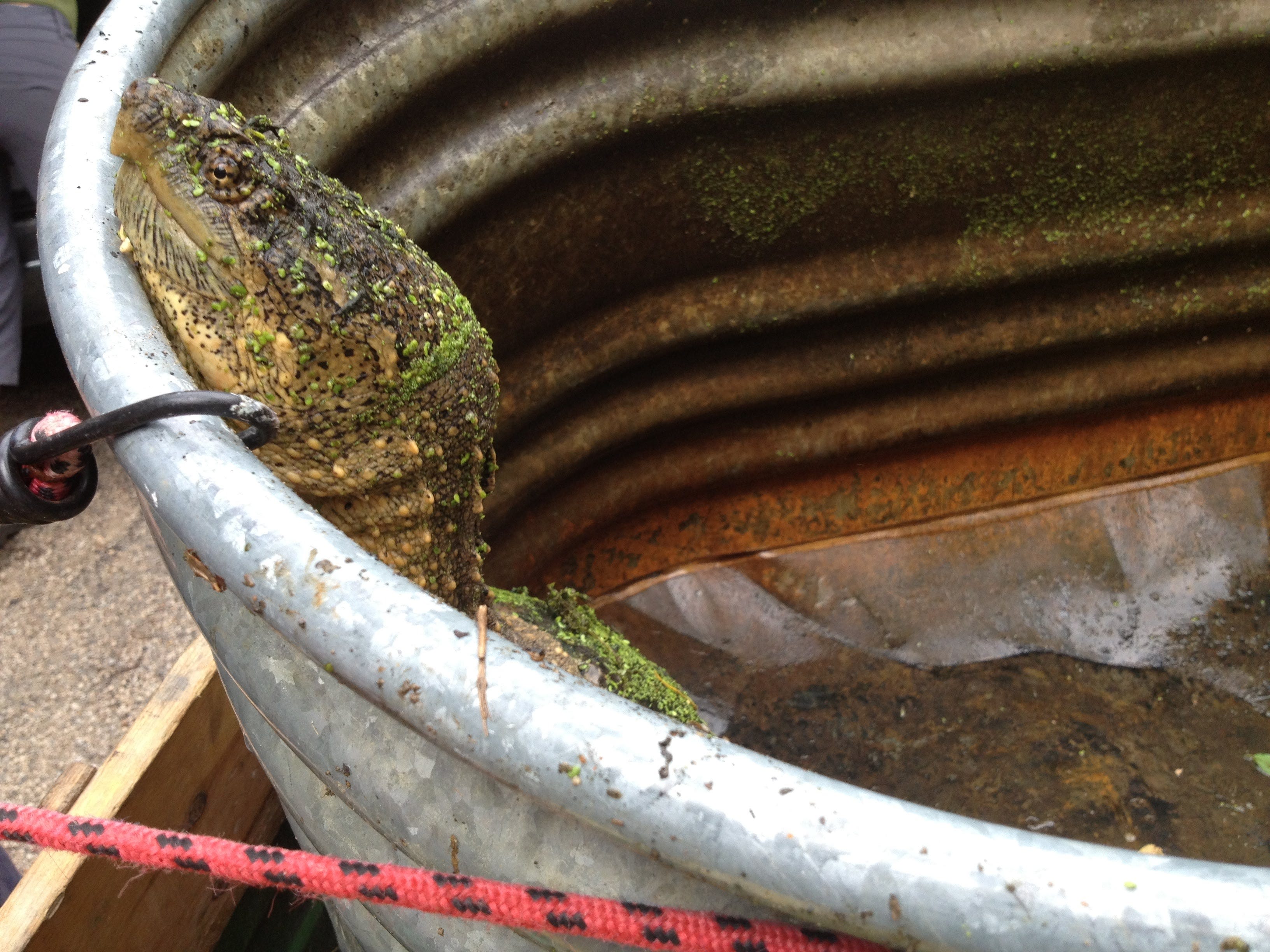
I was working in that same hospital 26 years ago at a time when that nature center was still being supported by the University which is now withdrawing its support so that children born today may never see a snapping turtle or a wood duck or a mink. And when state wide cancer rates were lower, there was bipartisan support for helping families in need and education was a priority not a burden. Shame on the many politicians who have abandoned Iowa's most needy and enable big Ag to pollute our waters, land and people.
Until Iowans change the current trajectory away from heavy chemical use and Confined Animal Feeding Operations towards a more partnership with Mother Nature approach to stewarding the land, we will continue on the same path of cancer and obesity. Sad but true.